Introduction
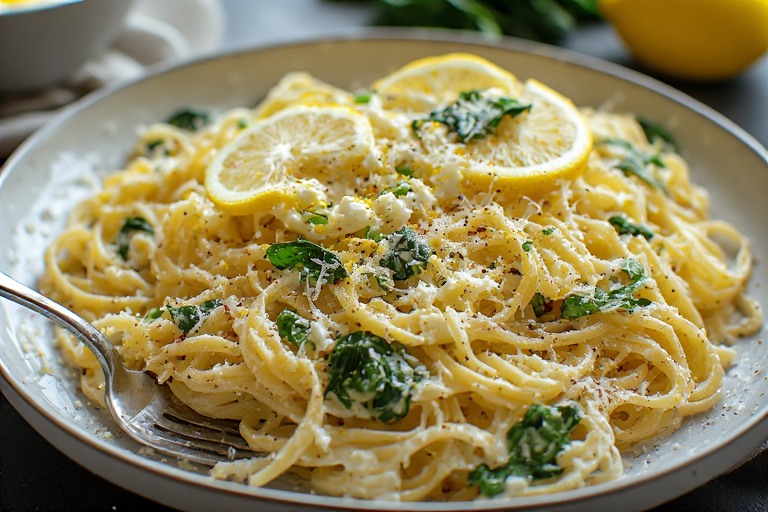
There are some dinners that feel light and refreshing while still being comforting enough to satisfy a real appetite. Lemon ricotta pasta is exactly that kind of dish. It is creamy without being heavy, bright without being overly sharp, and it comes together in a way that feels effortless.
This is one of those recipes I often make when I want something simple but still a little special. The ricotta creates a soft, creamy base for the sauce while fresh lemon adds brightness that keeps everything from feeling too rich. Parmesan cheese adds depth, and a bit of pasta water brings the whole sauce together into something silky and smooth.
It is also the sort of recipe that works year round. In warmer months it feels light and fresh, and in colder months it is still comforting in the way only a bowl of pasta can be.
What I especially love about this dish is that it relies on pantry ingredients and a few fresh elements. It looks elegant when served, but it is simple enough for a weeknight dinner.
Ingredients (Serves 4)
For the pasta
- 400g spaghetti or linguine
- Salt for pasta water
For the lemon ricotta sauce
- 1 cup whole milk ricotta cheese
- ½ cup finely grated Parmesan cheese
- Zest of 1 large lemon
- 2 tablespoons fresh lemon juice
- 2 tablespoons olive oil
- 2 cloves garlic, finely minced
- ½ teaspoon salt (adjust to taste)
- ½ teaspoon freshly ground black pepper
Optional additions
- ½ cup frozen peas or sautéed spinach
- ¼ teaspoon red pepper flakes
- Extra Parmesan for serving
Equipment
- Large pot
- Colander
- Mixing bowl
- Large skillet or sauté pan
- Tongs or pasta fork
Instructions
1. Prepare the pasta water
Fill a large pot with water and bring it to a boil over high heat.
Once the water begins boiling, add a generous amount of salt. The water should taste lightly salty. This step is important because pasta absorbs flavor from the water while it cooks.
Add the pasta and cook according to package instructions until al dente. The pasta should be tender but still slightly firm when bitten.
Before draining the pasta, reserve about one cup of the pasta cooking water.
2. Prepare the ricotta mixture
While the pasta cooks, prepare the sauce base.
In a medium mixing bowl combine the ricotta cheese, grated Parmesan cheese, lemon zest, lemon juice, olive oil, salt, and black pepper.
Whisk the mixture until it becomes smooth and creamy. The ricotta should loosen slightly and become easier to stir.
Set the bowl aside until the pasta is ready.
3. Sauté the garlic
Heat a large skillet over medium heat and add a small drizzle of olive oil.
Add the minced garlic and cook for about 30 seconds until fragrant. Be careful not to let it brown too much, as garlic can become bitter when overcooked.
If you are using red pepper flakes for a little heat, add them at this stage.
4. Combine the pasta and sauce
Transfer the cooked pasta directly into the skillet with the garlic.
Add about ¼ cup of the reserved pasta water and toss gently. The pasta water helps loosen the sauce and creates a silky texture.
Remove the skillet from direct heat.
Add the ricotta mixture to the pasta and begin tossing everything together with tongs. Continue mixing until the pasta is fully coated and the sauce becomes creamy and smooth.
If the sauce appears too thick, add another small splash of pasta water and continue tossing until the consistency looks glossy and light.
5. Optional additions
If using peas or sautéed spinach, stir them into the pasta at this stage. They add color and a little extra flavor while keeping the dish light.
6. Serve
Divide the pasta among serving bowls.
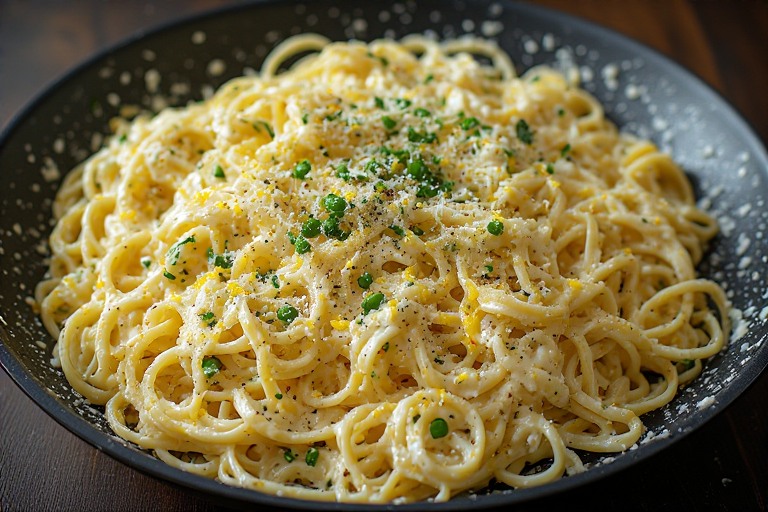
Finish each portion with extra grated Parmesan cheese, a light drizzle of olive oil, and a bit of freshly cracked black pepper.
For a final touch, a little extra lemon zest on top brightens the entire dish.
Serving Suggestions
Lemon ricotta pasta pairs beautifully with simple side dishes that do not overpower its delicate flavors.
Some nice options include:
- A light arugula salad with lemon vinaigrette
- Roasted asparagus or broccoli
- Warm crusty bread
A Few Personal Tips
Use whole milk ricotta if possible. It has a richer texture and creates a smoother sauce.
Always zest the lemon before juicing it. It is much easier that way.
And finally, do not skip the pasta water. That little bit of starch is what helps the sauce cling to the pasta so beautifully.
It is a simple dinner, but one that always feels a little elegant when it lands on the table.
Storage
Leftover pasta can be stored in an airtight container in the refrigerator for up to 2 days.
When reheating, add a splash of water or milk and warm gently over low heat to help restore the creamy texture.
Q&A
Can I use a different type of pasta for this recipe?
Yes. While spaghetti or linguine work beautifully because the creamy sauce coats the long strands evenly, many other pasta shapes can be used. Fettuccine, tagliatelle, or even short pasta like penne or rigatoni are good alternatives. Short shapes tend to hold the sauce inside their ridges and tubes, which can make each bite extra flavorful.
What type of ricotta works best?
Whole milk ricotta is the best choice for this recipe because it has a richer flavor and a smoother texture. Part-skim ricotta can be used if that is what you have, but the sauce may be slightly thinner and less creamy.
Why is pasta water added to the sauce?
Pasta cooking water contains starch released from the pasta while it cooks. When added to the sauce, it helps emulsify the ricotta, olive oil, and cheese, creating a smoother and more cohesive sauce that clings to the pasta instead of sitting separately in the bowl.
Can I make this recipe ahead of time?
This pasta is best served immediately after it is prepared. The sauce is at its creamiest when freshly mixed with hot pasta. If made too far in advance, the sauce may thicken as it cools. However, the components can be prepared ahead of time. You can mix the ricotta sauce and store it in the refrigerator, then toss it with freshly cooked pasta when ready to serve.
How can I make the sauce smoother?
If your ricotta is a little grainy, you can whisk it vigorously with the lemon juice and olive oil until it becomes smoother. Adding a small splash of pasta water while mixing can also help create a silkier texture.
Can I add protein to this dish?
Yes, this pasta works very well with added protein. Grilled chicken, sautéed shrimp, or even crispy pancetta can be mixed in to make the dish more filling. Just keep the portions moderate so the delicate lemon flavor remains balanced.
What vegetables pair well with lemon ricotta pasta?
Many vegetables complement the bright lemon flavor. Some excellent additions include peas, spinach, asparagus, zucchini, or roasted broccoli. These vegetables add color, texture, and freshness without overpowering the creamy sauce.
How do I prevent the pasta from becoming dry?
The key is reserving enough pasta water. If the pasta begins to look thick or sticky while tossing it with the ricotta mixture, simply add another splash of the reserved cooking water and mix again. The sauce should remain glossy and lightly creamy.
Is bottled lemon juice acceptable?
Fresh lemon juice is strongly recommended for this recipe. Bottled lemon juice often has a slightly dull or bitter flavor, while fresh lemons provide a brighter and more natural citrus taste. The zest from a fresh lemon also adds a fragrant aroma that bottled juice cannot provide.
Can this recipe be made gluten free?
Yes. Simply substitute your favorite gluten free pasta. The sauce itself does not contain gluten, so the only change needed is the type of pasta used.
How should leftovers be reheated?
Leftovers can be stored in the refrigerator for up to two days. When reheating, place the pasta in a pan over low heat and add a small splash of water, milk, or broth to loosen the sauce. Stir gently until warmed through. This helps restore some of the creaminess.
Can I reduce the lemon flavor if I prefer something milder?
Absolutely. You can reduce the amount of lemon juice slightly or add a bit more ricotta to soften the citrus flavor. The balance can easily be adjusted depending on how bright you like the dish to taste.
Lemon Ricotta Pasta

Equipment
- large pot
- colander
- mixing bowl
- large skillet or sauté pan
- tongs or pasta fork
Ingredients
- 400 g spaghetti or linguine
- salt for pasta water
- 1 cup whole milk ricotta cheese
- 1/2 cup finely grated Parmesan cheese
- 1 zest of large lemon
- 2 tbsp fresh lemon juice
- 2 tbsp olive oil
- 2 cloves garlic, finely minced
- 1/2 tsp salt
- 1/2 tsp freshly ground black pepper
- 1/2 cup frozen peas or sautéed spinach (optional)
- 1/4 tsp red pepper flakes (optional)
- extra Parmesan cheese for serving
Instructions
- Fill a large pot with water and bring it to a boil over high heat. Once boiling, add a generous amount of salt so the water tastes lightly salty. Add the pasta and cook according to package instructions until al dente. Before draining, reserve about one cup of the pasta cooking water.
- In a medium mixing bowl combine the ricotta cheese, grated Parmesan cheese, lemon zest, lemon juice, olive oil, salt, and black pepper. Whisk until the mixture becomes smooth and creamy, then set aside.
- Heat a large skillet over medium heat with a small drizzle of olive oil. Add the minced garlic and cook for about 30 seconds until fragrant, being careful not to let it brown. Add red pepper flakes at this stage if using.
- Transfer the cooked pasta directly into the skillet with the garlic. Add about 1/4 cup of the reserved pasta water and toss gently to loosen everything and begin forming the sauce.
- Remove the skillet from direct heat and add the ricotta mixture. Toss everything together with tongs until the pasta is fully coated and creamy. If the sauce is too thick, add a little more pasta water and continue tossing until glossy and smooth.
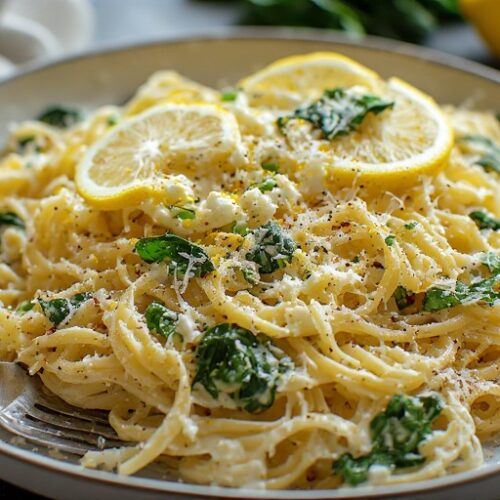
- If using peas or sautéed spinach, stir them in now. Divide the pasta among bowls and finish with extra grated Parmesan, a drizzle of olive oil, cracked black pepper, and a little extra lemon zest before serving.