Introduction
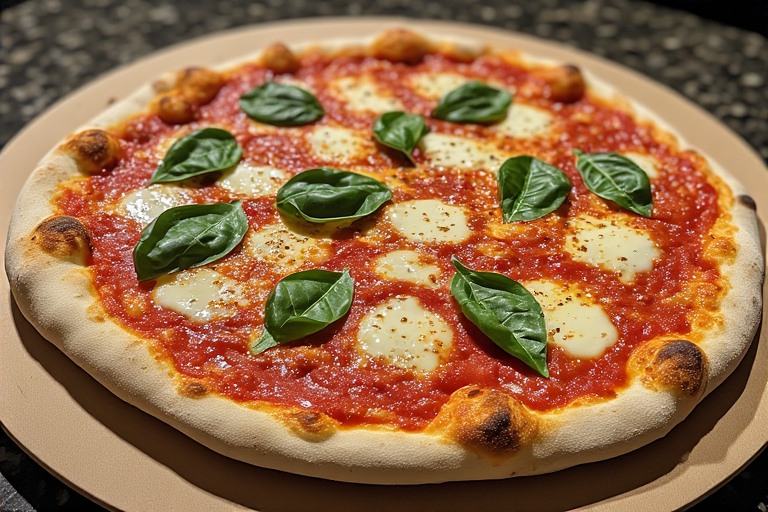
Margherita pizza is one of the most famous and beloved pizzas in the world, and for good reason. It is the perfect example of how simple ingredients, when used well, can create something truly exceptional. This classic Italian pizza highlights the beautiful balance between fresh tomatoes, creamy mozzarella, fragrant basil, and a light, airy crust.
The origins of the Margherita pizza are often connected to Naples in the late 19th century. According to culinary tradition, the pizza was created in honor of Queen Margherita of Savoy. The ingredients were chosen to represent the colors of the Italian flag: red from tomatoes, white from mozzarella, and green from fresh basil.
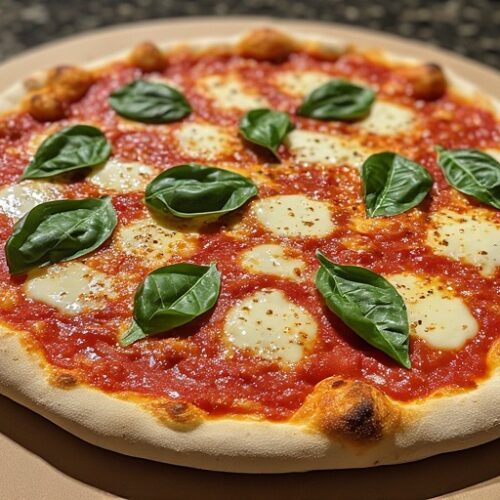
What makes a great Margherita pizza is not complexity but balance. The crust should be thin and slightly chewy with a light crispness around the edges. The tomato sauce should be bright and fresh, not overly seasoned. The mozzarella melts into soft, creamy pools, and the basil adds a fresh aromatic finish.
When baked in a very hot oven, the pizza develops a beautiful blistered crust and the toppings come together into something incredibly satisfying. It is rustic, elegant, and comforting all at the same time.
Ingredients (Makes 2 pizzas)
For the dough
- 500g all purpose flour or Italian “00” flour
- 325ml warm water (about 38°C / 100°F)
- 10g salt
- 3g dry yeast
- 1 tablespoon olive oil
For the toppings
- 1 cup crushed San Marzano tomatoes
- 250g fresh mozzarella cheese
- Fresh basil leaves
- 1 tablespoon olive oil
- Pinch of salt
Optional
- Extra flour for shaping the dough
- Cornmeal or semolina for dusting the baking surface
Equipment
- Large mixing bowl
- Clean work surface for kneading
- Baking sheet or pizza stone
- Rolling pin (optional, though hand stretching is preferred)
- Oven
Instructions
1. Activate the yeast
In a large mixing bowl, combine the warm water and dry yeast. Stir gently and let it sit for about 5 minutes.
During this time the yeast will begin to dissolve and activate. You may notice small bubbles forming on the surface, which is a sign that the yeast is alive and ready to help the dough rise.
2. Mix the dough
Add the flour and salt to the bowl with the yeast mixture. Begin mixing with a wooden spoon or your hands until a rough dough begins to form.
Once the ingredients start coming together, add the olive oil and continue mixing until the dough becomes cohesive.
Transfer the dough onto a lightly floured work surface.
3. Knead the dough
Knead the dough for about 8 to 10 minutes.
Use the heel of your hand to push the dough away from you, then fold it back toward the center and repeat. Continue this motion steadily until the dough becomes smooth and elastic.
Well kneaded dough should feel soft and slightly springy when pressed. If it sticks too much to the surface, add a very small amount of flour.
4. First rise
Shape the dough into a ball and place it in a lightly oiled bowl.
Cover the bowl with a clean kitchen towel or plastic wrap and allow the dough to rise at room temperature for about 2 hours.
During this time the dough should roughly double in size. The yeast is slowly fermenting the dough, which develops flavor and creates the airy structure of the crust.
5. Divide and rest the dough
Once the dough has risen, transfer it onto a lightly floured surface.
Divide it into two equal portions and shape each portion into a smooth ball.
Cover the dough balls loosely with a towel and let them rest for about 20 to 30 minutes. This resting period relaxes the gluten and makes the dough easier to stretch.
6. Prepare the oven
Preheat the oven to its highest temperature, ideally around 250°C (480°F) or higher if your oven allows.
If you have a pizza stone, place it in the oven while it preheats. A pizza stone helps replicate the intense heat of a traditional pizza oven and creates a crispier crust.
Allow the oven and stone to heat for at least 30 minutes.
7. Shape the pizza
Lightly flour your work surface and place one dough ball in the center.
Using your fingers, gently press the dough outward from the center, leaving the edges slightly thicker to form the crust.
Continue stretching the dough until it forms a circle about 10 to 12 inches in diameter.
Try not to use a rolling pin if possible. Hand stretching keeps more air in the dough and creates a lighter crust.
Repeat with the second dough ball.
8. Add the toppings
Spread a thin layer of crushed San Marzano tomatoes over the dough. Leave a small border around the edge for the crust.
Do not overload the pizza with sauce. A light layer allows the other ingredients to shine.
Tear the fresh mozzarella into small pieces and distribute them evenly across the pizza.
Add a small pinch of salt over the tomatoes if desired.
9. Bake the pizza
Transfer the pizza onto the preheated pizza stone or baking sheet.
Bake for about 7 to 10 minutes, or until the crust becomes golden and slightly blistered and the cheese has melted beautifully.
The exact cooking time will depend on your oven, so keep an eye on it during the final minutes.
10. Finish the pizza
Once the pizza comes out of the oven, add fresh basil leaves on top.
Drizzle lightly with olive oil to enhance the flavor and give the pizza a glossy finish.
Let the pizza rest for a minute or two before slicing.
Serving Suggestions
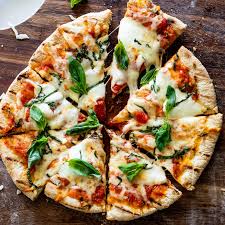
Slice the pizza into wedges and serve immediately while the cheese is still soft and the crust is warm.
Margherita pizza pairs wonderfully with:
- A simple arugula salad
- Roasted vegetables
- A glass of light Italian red wine
Chef Tips
Use high quality ingredients whenever possible. Since the recipe is simple, the quality of the tomatoes, cheese, and olive oil makes a noticeable difference.
Do not overload the pizza with toppings. Too many toppings can make the crust soggy and prevent proper baking.
Drain fresh mozzarella before using it. If the cheese contains too much moisture, it can release water during baking.
If your oven cannot reach very high temperatures, placing the pizza on the highest rack and using the broiler for the last minute can help achieve a better crust.
Storage
Margherita pizza is best enjoyed fresh from the oven.
If you have leftovers, store slices in an airtight container in the refrigerator for up to 2 days.
Reheat in a hot skillet or oven to help restore some crispness to the crust. Avoid microwaving if possible, as it can make the pizza soft.
Margherita Pizza

Equipment
- large mixing bowl
- clean work surface for kneading
- baking sheet or pizza stone
- rolling pin (optional)
- oven
Ingredients
- 500 g all purpose flour or Italian 00 flour
- 325 ml warm water (about 38°C / 100°F)
- 10 g salt
- 3 g dry yeast
- 1 tbsp olive oil
- 1 cup crushed San Marzano tomatoes
- 250 g fresh mozzarella cheese
- fresh basil leaves
- 1 tbsp olive oil (for topping)
- 1 pinch salt
- extra flour for shaping dough (optional)
- cornmeal or semolina for dusting baking surface (optional)
Instructions
- In a large mixing bowl combine the warm water and dry yeast. Stir gently and let it sit for about 5 minutes until small bubbles begin to form.
- Add the flour and salt to the bowl and begin mixing with a spoon or your hands until a rough dough forms. Add the olive oil and continue mixing until the dough becomes cohesive.
- Transfer the dough to a lightly floured surface and knead for 8–10 minutes until smooth and elastic.
- Shape the dough into a ball and place it in a lightly oiled bowl. Cover and let rise at room temperature for about 2 hours until doubled in size.
- Transfer the risen dough to a floured surface and divide it into two equal portions. Shape each portion into a smooth ball.
- Cover the dough balls loosely with a towel and let them rest for 20–30 minutes to relax the gluten.
- Preheat the oven to its highest temperature (about 250°C / 480°F). Place a pizza stone or baking sheet in the oven and allow it to heat for at least 30 minutes.
- On a lightly floured surface gently stretch one dough ball into a circle about 10–12 inches wide, keeping the edges slightly thicker for the crust.
- Spread a thin layer of crushed San Marzano tomatoes over the dough, leaving a border for the crust. Tear fresh mozzarella into small pieces and distribute evenly. Add a small pinch of salt.
- Transfer the pizza to the hot stone or baking sheet and bake for 7–10 minutes until the crust is golden and the cheese melted. Remove from the oven, top with fresh basil leaves, drizzle with olive oil, rest briefly, slice, and serve.
Notes
Q&A
What makes a Margherita pizza different from other pizzas?
Margherita pizza is defined by its simplicity. It traditionally uses only a few ingredients: tomato sauce, fresh mozzarella, basil, olive oil, and a thin pizza crust. The goal is balance rather than heavy toppings. Each ingredient plays an important role, and none should overpower the others.
Why are San Marzano tomatoes recommended for the sauce?
San Marzano tomatoes are prized for their natural sweetness, low acidity, and rich tomato flavor. They grow in volcanic soil near Naples and are commonly used in traditional Neapolitan pizza. While other canned tomatoes can work, San Marzano tomatoes tend to produce a brighter and more balanced sauce.
Do I need to cook the tomato sauce before adding it to the pizza?
No. For authentic Margherita pizza, the crushed tomatoes are typically used raw. The sauce cooks directly on the pizza in the oven. This keeps the flavor fresh and light instead of overly concentrated.
Why is fresh mozzarella used instead of shredded mozzarella?
Fresh mozzarella has a softer texture and a creamy, delicate flavor that melts beautifully during baking. Pre-shredded mozzarella often contains anti-caking agents that affect melting and texture. Fresh mozzarella creates those classic pools of melted cheese that Margherita pizza is known for.
Why should mozzarella be drained before using it?
Fresh mozzarella contains a lot of moisture. If it is added directly to the pizza without draining, it can release excess water while baking, which may make the pizza soggy. Letting it drain for a few minutes or patting it dry with paper towels helps prevent this.
What type of flour works best for pizza dough?
Italian “00” flour is often preferred for pizza dough because it is finely milled and produces a soft, elastic dough with a light texture. However, all-purpose flour also works well and can still produce a delicious crust.
Why is high oven temperature important?
Pizza cooks best at very high heat. A hot oven helps the dough rise quickly and develop a crisp outer crust while remaining soft and airy inside. Traditional wood-fired pizza ovens often reach temperatures above 400°C (750°F), which is why home ovens should be set as high as possible.
Do I need a pizza stone to make good pizza?
A pizza stone is not absolutely necessary, but it helps a lot. The stone stores heat and transfers it directly to the bottom of the dough, helping the crust cook evenly and become crisp. If you do not have one, a heavy baking sheet preheated in the oven can also work.
Why is basil added after baking?
Fresh basil is delicate and can lose its flavor and color if baked too long at high temperatures. Adding it after the pizza comes out of the oven preserves its bright aroma and fresh taste.
Can Margherita pizza be frozen?
The pizza dough freezes very well, but the fully baked pizza is best enjoyed fresh. If freezing dough, wrap it tightly and freeze for up to three months. Thaw it in the refrigerator overnight before using.
How do I know when the pizza is fully cooked?
The crust should be golden with slightly dark, blistered spots around the edges. The cheese should be fully melted and slightly bubbling. The bottom of the crust should feel firm and lightly crisp when lifted.
What is the best way to reheat leftover pizza?
The best way to reheat pizza is in a skillet over medium heat. Place the slice in the pan and cover loosely for a few minutes until the cheese melts and the crust becomes crisp again. Reheating in the oven also works well. Microwaving tends to make the crust soft and chewy.